ramble: on customized / personal avatars
15 june 2026, monday
"Many of the things people want are valuable in relation to what other people have. Indeed, much of the idea of 'value' is related to the social role we're playing... You can see this most graphically in computer-based simulated worlds, where many people seem to get almost as much satisfaction from paying real money for 'virtual' goods as they do from buying genuine articles in the real world, at a much higher cost. In these simulated worlds, the virtual goods serve a similar social function as the real ones, establishing one's relative wealth - and worth."
- Robert B. Reich in his book Aftershock, page 95.
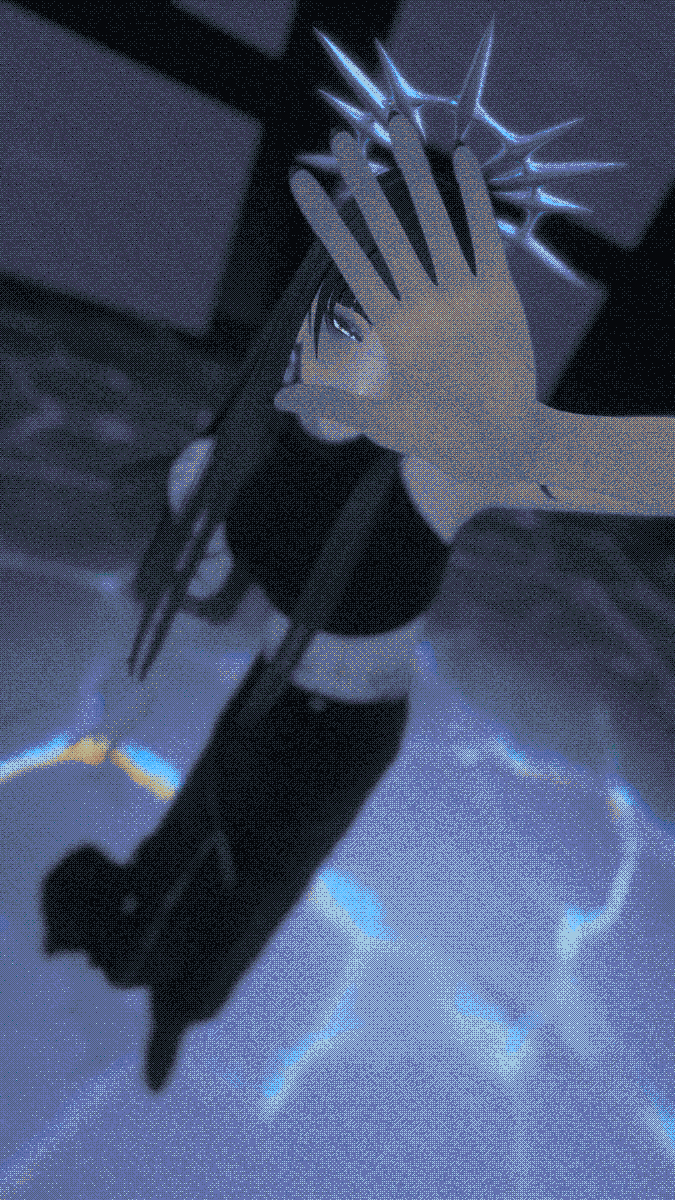
a photo of my edit of the base 'Nakiya' by
Make no mistake - I am not here to write about how everyone who is customizing their avatar is doing it for the sole sake of being perceived as wealthy, well off, or better than others. I instead want to simply point out the way us "power users" - those of us who have been intrenched in virtual worlds for years and maybe have invested substantial amounts of time and money into the hobby of VR - might overlook the struggles it takes for the regular user to be able to have a customized or personal avatar of their choosing.
Robert B. Reich's quote is a comment on how people may perceive others as wealthy, well off, or yes, even better than everyone, simply because of the sheer amount of custom or rather unique articles of virtual clothing, assets, animations, etc., that they may have. Let's say there's someone in a virtual world with custom clothing or assets bought from places like Gumroad or Booth. Immediately, they'll be seen as someone who has played on the virtual platform for quite some time, as someone who may know quite a few people in the space, and as someone who takes the time or uses money to get their avatar looking as it is. A new user may think, how do I get there?
Lately, there has been quite a lot of documentation on optimizing avatars and worlds specifically within the realm of VRChat. What I think is lacking, however, is a acurrent, regularly updated guide that comprehensively details how to navigate storefronts like Jinxxy, Gumroad, Booth, and related sites, how to navigate Blender and Unity for use cases specifically for VRChat, and places for people to find free or cheap assets for them to use on their avatar.
The beauty of virtual reality is that you can be whatever you want to be, and a lot of that starts with having an avatar you identify with. Users in VRChat have the option of "cloning" avatars from other people or getting them from pedestals in avatar worlds, or if they reach the rank of New User they can decide to brave the depths of Unity to upload their own. Conveying these options in an effective and empathetic way, in my opinion, could lead to this space further blooming with creativity instead of people being afraid to try out new things.
Talks surrounding uploading avatars usually start with, "oh that's so easy!" which I believe is a sentiment that has to change. While a lot of us power users are quite used to the process of creating and then uploading avatars, those who are new may be people who have never touched creative software ever or haven't done so in a long time. I've heard new folks complain with the following: "Blender / Unity scares me, I just don't think it would be worth the time", "I get really lost, the UI is really complex", or "I've followed tutorials, but it seems like I keep doing a lot of things wrong so I'm just bad at it." It is very much my desire for people to be able to be comfortable with creating their own avatar, but if the software is the hurdle for some folks, where do we go from here?
I've wanted to propose to VRChat a way to customize basic aspects of avatars within the platform for a very, very, very long time. It would also make sense for those in the space who use standalone headsets, such as the Quest variety. It would at least be a great intro for new users to see what changes they could make, and could further their interest in doing it themselves. I have thought it would be cool to have hue sliders for aspects such as skin tone, hair / fur, height, chest / bust size, limb length - you get the idea. The problem is that every avatar mesh is different, and it would be incredibly challenging to create a feature that can handle even "basic" sorts of changes like this for hundreds of thousands of avatars.
Virtual reality is a chance for people to be immersed in environments and spaces that they haven't been before. One could argue that if that were the case, why then do avatars matter? Well to me, it's all about user comfort. How can people fully immerse themselves in the virtual world if they aren't even comfortable?